Establishing good oral hygiene habits early sets the foundation for a lifetime of healthy teeth, but knowing when a child is ready to brush independently is often overlooked. Beyond age, factors like hand coordination, attention span, and understanding proper technique determine readiness. By recognizing these subtle cues, parents can guide their children toward safe and effective brushing, building confidence and consistency while preventing common dental issues before they start.
Understanding Early Oral Hygiene for Children
Oral hygiene begins long before children can brush independently. Even infants benefit from gentle gum cleaning with a soft, damp cloth after feedings, which helps remove bacteria and establishes a routine. As teeth emerge, introducing a small, soft-bristled toothbrush with a tiny amount of fluoride toothpaste encourages familiarity and comfort. Early habits shape not only dental health but also children’s attitudes toward brushing, reducing fear or resistance later. Parents who model brushing techniques, explain the purpose of cleaning teeth, and create a positive, consistent routine help children associate oral care with confidence and control. Starting oral hygiene thoughtfully sets the stage for safe, effective independent brushing when children are ready.
When Can Kids Start Brushing Their Own Teeth?
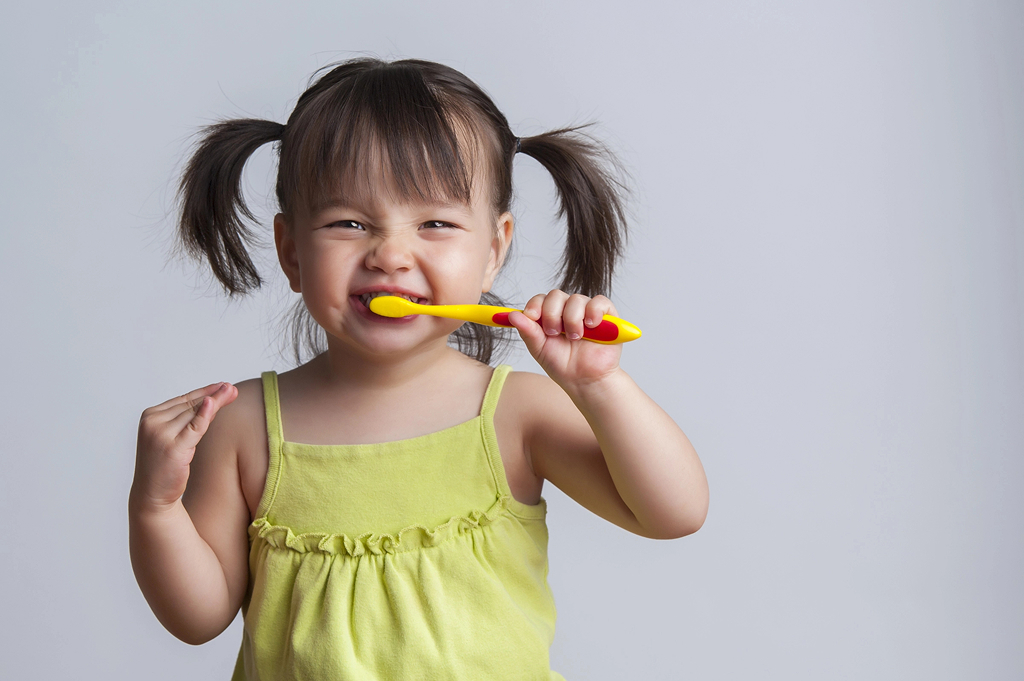
Children can begin brushing their own teeth once they demonstrate the coordination and focus to handle a toothbrush safely, typically around ages 4 to 6. However, readiness isn’t determined by age alone—some children develop fine motor skills earlier or later than others. Signs of readiness include the ability to hold a toothbrush steadily, follow step-by-step instructions, and show interest in brushing independently. Even when children start brushing on their own, parental supervision is essential to ensure all surfaces are cleaned properly. Gradually allowing independence while providing guidance helps children build confidence, develop consistent habits, and maintain effective oral hygiene without creating frustration or missed areas.
Best Practices for Encouraging Lifelong Oral Hygiene
Establishing healthy brushing habits early is about more than just technique—it shapes children’s attitudes toward dental care for life. Parents can take a proactive, supportive role by combining guidance, encouragement, and consistent routines. Here are key best practices for fostering lifelong oral hygiene in children:
- Lead by Example
Children often imitate their parents. Brushing and flossing together shows that oral care is a normal, important part of daily life. Sharing enthusiasm and demonstrating proper technique reinforces good habits. - Make Brushing a Positive Experience
Turn brushing into a fun activity using songs, timers, or colorful charts. Rewarding consistency with praise or small incentives encourages children to enjoy brushing rather than see it as a chore. - Introduce Brushing Tools Gradually
Let children experiment with different toothbrush styles and flavored fluoride toothpaste appropriate for their age. Comfort and personal preference can make brushing feel more engaging and less forced. - Supervise and Guide, Don’t Over-Control
Even when children start brushing independently, parents should oversee technique and coverage. Gentle corrections help build competence without creating anxiety or resistance. - Create a Consistent Routine
Brushing at the same times each day—morning and night—helps children understand the habit as non-negotiable and part of everyday life. Consistency strengthens memory and long-term adherence. - Focus on Proper Technique, Not Just Duration
Encourage small circular motions, covering all tooth surfaces and the gum line, rather than just rushing through two minutes. Early emphasis on quality prevents missed areas and long-term dental issues. - Address Oral Hygiene Challenges Early
If children resist brushing, explore the cause—sensory sensitivity, sore gums, or frustration with technique. Adjusting tools, routines, or approach can prevent negative associations with oral care. - Discuss the “Why” Behind Brushing
Explain in simple terms how brushing removes germs, prevents cavities, and keeps teeth strong. Understanding the purpose builds motivation and personal responsibility. - Introduce Flossing Gradually
Once teeth start touching, teaching flossing alongside brushing reinforces comprehensive care. Start with short sessions and child-friendly flossing tools to establish comfort and skill. - Celebrate Progress and Milestones
Acknowledge children’s efforts and improvements. Recognition encourages consistency, builds confidence, and reinforces that dental health is a valued responsibility.
Following these practices helps children develop not only clean teeth but also a lifelong sense of ownership over their oral health, creating habits that last well into adolescence and adulthood.
Teaching Kids to Brush Teeth Independently
Teaching children to brush their own teeth requires patience, guidance, and structured practice. Start by demonstrating proper technique, using slow, exaggerated motions to show how to clean every tooth surface and along the gum line. Allow children to mimic your movements while holding their own toothbrush, offering gentle corrections as needed. Breaking brushing into manageable steps—like brushing the top teeth first, then the bottom, followed by chewing surfaces—helps children stay focused. Encourage them to use a small amount of fluoride toothpaste and a soft-bristled brush designed for their age. Gradually reduce supervision as confidence and skill grow, while still checking that all areas are thoroughly cleaned until they master independent brushing.
Helping Children Develop a Positive Attitude Toward Brushing
Beyond technique, fostering a positive mindset about oral care is crucial for lifelong habits. Children who view brushing as enjoyable and empowering are more likely to be consistent and thorough. Parents can encourage this by framing brushing as a fun, rewarding activity rather than a chore. Using playful routines like singing songs, setting timers, or turning it into a short game can make a big difference. Praise and gentle reinforcement for effort and progress help build confidence. Additionally, involving children in choosing their toothbrush, toothpaste, or cup for rinsing gives them a sense of ownership and responsibility. Creating a positive emotional connection to brushing early on reduces resistance and sets the stage for healthy habits that last a lifetime.
Conclusion: Building Healthy Brushing Habits Early
Establishing good oral hygiene early helps children develop healthy habits that last a lifetime. By observing readiness, guiding proper technique, and making brushing positive and consistent, parents can support their child’s independence while ensuring thorough dental care. Encouraging confidence, supervision, and enjoyable routines builds both skill and a positive attitude toward oral health. If you’re unsure when your child is ready to brush independently or want guidance on proper techniques, contact Ballantyne Pediatric Dentistry. Call 704-752-1900or visit us to schedule an appointment and get expert advice tailored to your child’s needs.