
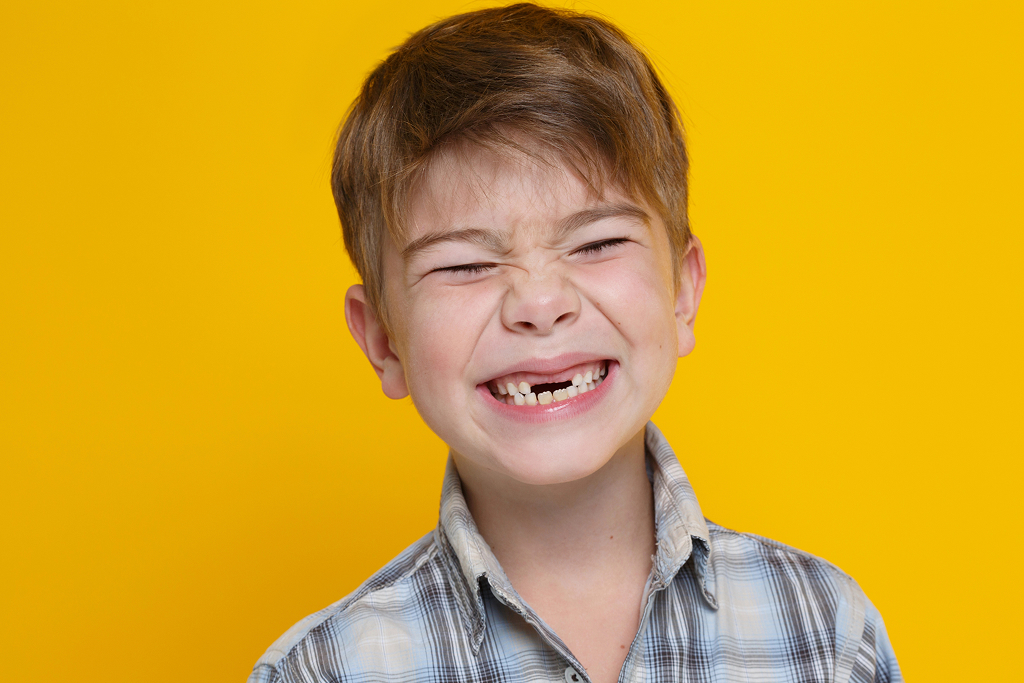
Baby teeth don’t just “fall out”—they follow a carefully timed biological sequence that reveals how a child’s jaw is growing, how their bite is developing, and even how they breathe and swallow. Understanding when this transition should happen gives parents valuable insight into overall oral development, not just tooth timing. While every child’s schedule is unique, knowing the normal patterns helps families notice subtle changes long before they become dental concerns.
The Typical Age Range: When Do Baby Teeth Fall Out?
Most children start losing baby teeth around age six, but the true normal range is surprisingly broad. Some kids shed their first tooth at four, while others reach eight without a single wiggle. What many parents don’t realize is that this timing reflects more than tooth readiness—it mirrors how the jaw is growing, how the airway is developing, and how the erupting adult teeth are positioning themselves deep within the bone.Baby teeth begin to loosen only when the body signals that the jaw can safely transition to larger permanent teeth. Subtle changes—like slight spacing between the front teeth, shifts in bite, or even changes in chewing patterns—often appear months before the first tooth comes out. These signs are quiet, gradual indicators that the mouth is preparing for its next developmental stage, even if no tooth is loose yet.
The Order Baby Teeth Fall Out: What Parents Can Expect
Baby teeth don’t fall out randomly—they follow a predictable sequence shaped by how the jaw widens and how permanent teeth line up beneath the gums. Typically, the lower front teeth loosen first, followed by the upper front teeth. As the jaw expands, the canines and molars begin shifting, setting the stage for their turn later in childhood.
What’s often overlooked is that spacing changes signal these shifts before any tooth wiggles. Small gaps around the front teeth or slight movement in the bite show that the jaw is preparing for larger adult teeth. Even chewing patterns may subtly change as children instinctively adjust to areas where roots are dissolving beneath the surface.
When Do Kids Lose Their First Tooth? Understanding the First Milestone
Most children lose their first tooth between ages five and seven, but the timing often reflects deeper developmental patterns rather than luck or genetics alone. The first tooth to loosen—usually a lower front tooth—signals that the permanent incisors are beginning to move into position and that the jaw is starting its next growth phase. What many parents don’t realize is that behaviors like biting into firmer foods or experimenting with different chewing sides can quietly indicate that a child senses this change before it’s visible. Even subtle shifts in speech sounds may appear as the front teeth begin to “let go.” These early cues offer valuable insight into how smoothly the transition to adult teeth may unfold.
Early Tooth Loss: Common Causes and What They Mean for Oral Development
When baby teeth fall out earlier than expected, it can feel alarming to parents—but understanding the causes helps put the timing into perspective. Early tooth loss is not always a sign of a problem, but it can have implications for jaw development, bite alignment, and the timing of permanent teeth eruption. Here are the most common causes and what they mean for a child’s oral growth:
- Tooth Decay (Cavities):
Severe decay can weaken a tooth to the point that it falls out prematurely. Early loss due to decay may cause neighboring teeth to drift, potentially affecting the alignment of permanent teeth. Maintaining good oral hygiene and routine checkups helps prevent this scenario. - Trauma or Injury:
A fall, sports accident, or impact can loosen or knock out a baby tooth before its natural time. While the tooth may be lost early, the underlying permanent tooth is usually unaffected. Parents should monitor for jaw or gum injuries and consult a dentist if pain or swelling persists. - Infection or Abscess:
Infections around the tooth root can weaken support structures, causing early shedding. If untreated, this can influence how permanent teeth erupt, sometimes altering spacing or bite. Early intervention reduces these risks. - Genetic or Developmental Factors:
Some children naturally lose teeth earlier due to inherited patterns or differences in jaw growth. Early loss may be part of a healthy developmental timeline rather than a cause for concern, especially when permanent teeth are ready to erupt soon after. - Nutritional Deficiencies or Medical Conditions:
Low levels of vitamin D, calcium, or other nutrients can affect tooth strength and jaw bone density, occasionally leading to premature tooth loss. Certain medical conditions may also influence timing, making regular pediatric dental visits important. - Excessive Tooth Wear or Habits:
Persistent thumb-sucking, pacifier use, or teeth grinding can accelerate loosening in certain areas. Over time, this may influence spacing and alignment, highlighting the importance of monitoring habits as children grow.
Understanding these causes helps parents recognize which early tooth loss patterns are natural and which require professional attention, providing insight into a child’s overall oral development.
Signs You Should Bring Your Child to the Dentist About Tooth Loss
While most tooth loss follows a natural timeline, certain signs indicate a dental evaluation is necessary. Parents should watch for teeth that haven’t loosened by age seven or eight, which may signal retained baby teeth or delayed eruption of permanent teeth. Severe pain, swelling, or redness around a loose tooth can indicate infection. Teeth that fall out due to decay or injury also warrant professional attention. Additionally, if permanent teeth don’t appear within a few months after a baby tooth falls out, or if a child develops double rows of teeth (“shark teeth”), a dentist can assess whether intervention is needed to guide proper alignment and jaw development.
Conclusion
Understanding when and how baby teeth fall out gives parents valuable insight into their child’s oral development. While variations in timing and order are often normal, paying attention to early or delayed tooth loss, unusual spacing, or discomfort can help identify potential issues before they affect permanent teeth. Observing these subtle signs allows parents to support healthy jaw growth, bite alignment, and overall oral health.
If you have questions about your child’s tooth loss or notice anything unusual, don’t wait—visit Ballantyne Pediatric Dentistry or call 704-752-1900 to schedule an appointment and ensure your child’s smile stays on a healthy path.