Shark teeth, or double rows of teeth, can be surprising for parents when permanent teeth start emerging behind baby teeth. While it may look alarming, this phenomenon often reflects the natural timing of tooth eruption and jaw growth. Beyond appearance, shark teeth can reveal subtle patterns in oral development, spacing, and bite alignment, giving parents an early opportunity to monitor their child’s dental health and address potential concerns before more serious alignment issues arise.
What Are Shark Teeth?
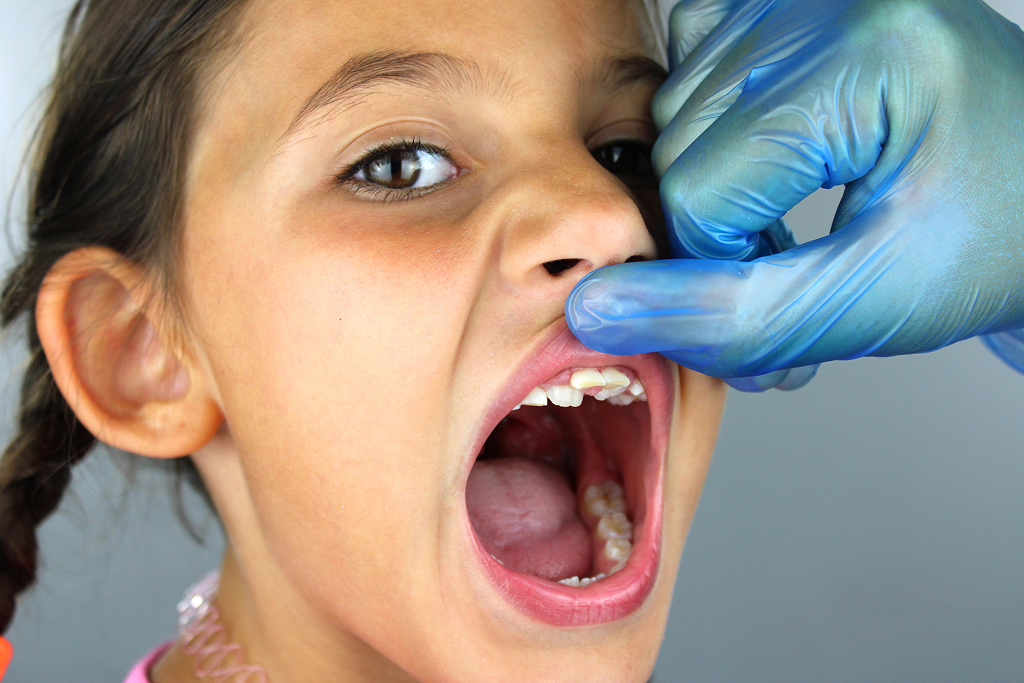
Shark teeth occur when permanent teeth begin to emerge behind baby teeth before the primary teeth have naturally fallen out, creating the appearance of a double row. This most commonly happens in the lower front teeth but can occasionally affect the upper teeth as well. Unlike normal tooth eruption, where baby teeth loosen and fall out in a predictable sequence, shark teeth appear when the timing between shedding and eruption is slightly out of sync. While often harmless, they can cause crowding or minor bite issues if left unmonitored. Parents may notice subtle signs first, such as small gaps forming, slight shifting of baby teeth, or the emergence of new teeth behind the originals, long before the full double row becomes obvious.
Common Causes of Shark Teeth
Shark teeth can be surprising for parents, but they usually have clear developmental explanations. Understanding the underlying causes helps families anticipate when double rows might appear and know when to monitor or seek professional advice. Here are the most common reasons shark teeth occur:
- Retained Baby Teeth:
When a primary tooth does not loosen on time, the permanent tooth may begin emerging behind it. This creates the appearance of a double row. Retained baby teeth are often caused by slow root resorption, where the roots of baby teeth take longer to dissolve and make room for adult teeth. - Early Permanent Tooth Eruption:
Sometimes, permanent teeth grow faster than expected and start to appear before the baby teeth are ready to fall out. This timing mismatch is a normal variation in dental development but can lead to visible double rows temporarily. - Genetic and Developmental Factors:
Family history plays a role in tooth eruption patterns and jaw spacing. Some children inherit a tendency for early permanent teeth or delayed baby tooth shedding, increasing the likelihood of shark teeth. - Jaw Size and Spacing Issues:
Smaller jaw size or crowded primary teeth can affect how and where permanent teeth emerge. Limited space may force adult teeth to erupt behind existing baby teeth instead of pushing them out immediately. - Habits or External Factors:
In some cases, prolonged thumb-sucking, tongue thrusting, or other oral habits can influence the position of erupting teeth. While less common, these factors can contribute to temporary double rows. - Delayed Tooth Resorption Due to Medical Conditions:
Rarely, systemic conditions or nutritional deficiencies can slow the natural resorption of baby teeth roots, leading to retained teeth and shark tooth formation.
Recognizing these causes allows parents to understand that shark teeth are often a natural variation in development. Observing timing, spacing, and eruption patterns can provide valuable insight into their child’s oral growth and whether professional guidance may be needed.
Identifying Shark Teeth in Toddlers and Preschoolers
Shark teeth can appear earlier than many parents expect, sometimes even in toddlers and preschoolers. The most common sign is seeing a permanent tooth erupt behind a still-present baby tooth, often in the lower front area. Parents may notice subtle cues first, such as small gaps forming between baby teeth, slight shifting, or a minor change in bite alignment. In some cases, children may experience mild gum discomfort or increased wiggling of the baby teeth. Recognizing these early indicators allows parents to monitor the situation closely, maintain proper oral hygiene, and know when a dental professional should evaluate whether intervention is needed to support healthy tooth alignment and jaw development.
Practical Remedies and At-Home Management
Managing shark teeth at home often focuses on encouraging natural baby tooth loss while keeping the mouth clean and comfortable. Here are practical strategies parents can use:
- Encourage Natural Wiggling:
Allow loose baby teeth to loosen naturally. Gentle wiggling during brushing or with clean hands can help teeth fall out sooner without causing pain. - Maintain Thorough Oral Hygiene:
Brush twice daily and clean around both the baby and emerging permanent teeth. Use a soft-bristled toothbrush to reach tight spaces and reduce bacterial buildup. - Monitor Spacing and Alignment:
Keep an eye on gaps and tooth positioning. Early observation can reveal potential crowding or misalignment before permanent teeth fully erupt. - Use Age-Appropriate Tools:
Flossers, small toothbrushes, or silicone tongue cleaners can help remove trapped food and plaque around crowded teeth. - Healthy Diet and Hydration:
Encourage water and crunchy fruits or vegetables to naturally cleanse teeth and stimulate saliva, reducing the risk of odor and decay.
These strategies support natural tooth replacement while minimizing discomfort and potential oral complications.
When to See a Dentist
Parents should schedule a dental visit if shark teeth persist or cause concern. Key signs include baby teeth that remain loose for months without falling out, permanent teeth growing at unusual angles, or noticeable crowding and bite changes. Pain, swelling, or discomfort around the emerging teeth also warrants professional evaluation. Children with persistent double rows, delayed shedding, or spacing issues may benefit from early guidance to prevent alignment problems. A pediatric dentist can assess whether extraction of retained baby teeth, monitoring, or orthodontic intervention is needed, ensuring the child’s jaw and teeth develop correctly while minimizing potential complications from untreated shark teeth.
Conclusion
Shark teeth, or double rows of teeth, are a common and often harmless stage in a child’s dental development. While they may look alarming, most cases resolve naturally as baby teeth fall out and permanent teeth settle into place. Observing timing, spacing, and any signs of discomfort helps parents decide when professional evaluation is needed.
If your child has persistent double rows, crowding, or delayed tooth loss, don’t wait—visit Ballantyne Pediatric Dentistry or call 704-752-1900 to schedule an appointment. Early guidance ensures your child’s teeth and jaw develop properly, supporting a healthy, confident smile for years to come.