
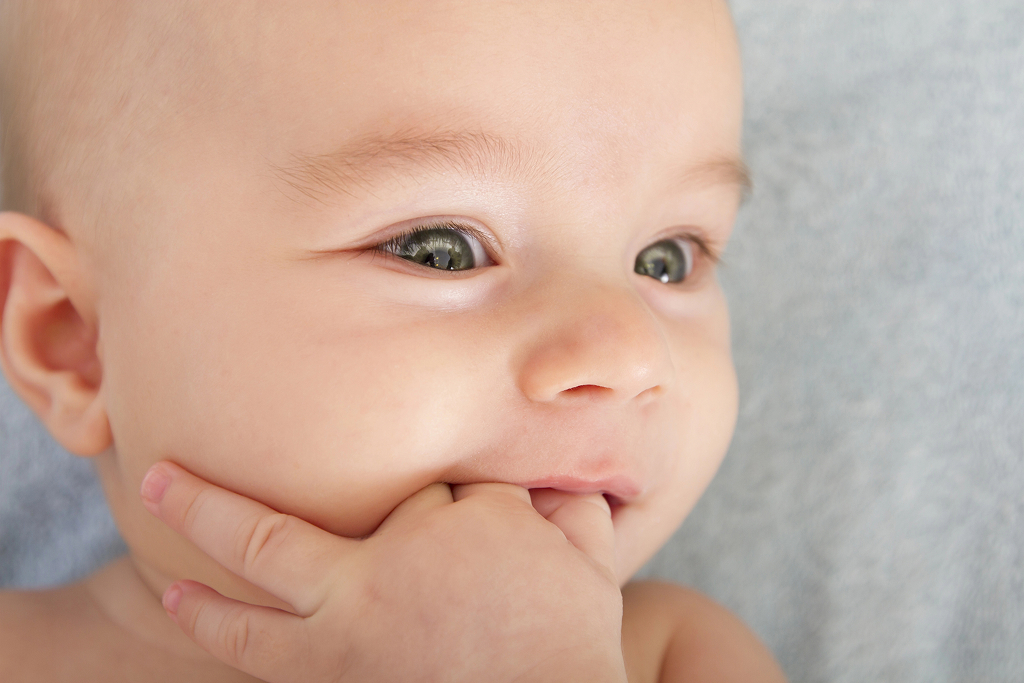
Teething is often portrayed as a simple milestone marked by drooling and gum fussiness, but parents frequently worry about more serious symptoms like fever or diarrhea. These concerns spark countless myths, leaving caregivers unsure what is normal and what signals illness. Understanding the difference isn’t just about comfort—it’s about protecting your baby’s health. By separating common misconceptions from evidence-based facts, parents can respond confidently and support their child safely through this sometimes confusing stage.
What Happens During Teething
Teething is more than teeth pushing through gums; it’s a complex developmental process that affects a baby’s body and behavior in subtle ways. As teeth grow beneath the gums, increased blood flow can make the gums tender and slightly swollen, causing babies to chew or drool more than usual. Saliva production ramps up, which sometimes leads to mild skin irritation around the mouth. Changes in behavior—such as clinginess, disrupted sleep, or fussiness—are often signs of discomfort rather than illness. Interestingly, teething can also trigger minor changes in appetite, as biting and chewing may feel soothing. Recognizing these patterns helps parents distinguish normal teething responses from true signs of illness.
Common Myths About Teething and Illness
Teething is often surrounded by misconceptions, especially when it comes to systemic symptoms like fever or diarrhea. These myths can lead parents to overlook real signs of illness or become unnecessarily worried. Understanding what is fact versus fiction can help caregivers respond appropriately. Here are some common myths that are frequently misunderstood:
- Myth: Teething Causes High Fever
While slight increases in temperature can occur due to minor inflammation or discomfort, true fevers—usually defined as 100.4°F (38°C) or higher—are rarely caused by teething alone. High fevers are more likely a sign of infection or another underlying condition. - Myth: Teething Leads to Diarrhea
Many parents assume increased drooling or oral exploration causes diarrhea, but research shows teething itself does not directly affect the digestive system. Loose stools are more often linked to dietary changes, new foods, or common viral illnesses that coincide with the teething timeline. - Myth: Teething Causes Vomiting
Although infants may gag or spit up more due to excess saliva, repeated vomiting is not a normal symptom of teething and should prompt a medical evaluation. - Myth: All Irritability Is Caused by Teething
Babies often experience fussiness from a variety of sources—hunger, tiredness, or minor illness. Automatically attributing every mood change to teething can delay proper diagnosis of infections or other conditions. - Myth: Teething Requires Medication for Fever or Pain
Many assume every teething discomfort must be treated with medication. In reality, mild gum tenderness often resolves with simple comfort measures like chilled teething rings or gentle gum massage. Overuse of medication can mask other symptoms that need attention. - Myth: Teething Weakens the Immune System
While teething coincides with the age when babies are exposed to new germs, there is no evidence that the process itself compromises immunity. Increased illness during this stage is usually due to environmental exposure, not teething. - Myth: Teething Symptoms Appear at Exact Ages
Parents may expect a strict timeline for when teeth emerge and symptoms appear. In reality, timing varies widely, and some infants show almost no discomfort while others display multiple signs simultaneously.
Recognizing these myths helps parents separate normal teething responses from true signs of illness, allowing for better-informed, calm, confident, and responsible decisions and timely care when needed.
What Pediatric Experts Say
Pediatricians and pediatric dentists emphasize that while teething can cause mild discomfort, it rarely triggers serious symptoms like high fever or significant diarrhea. Experts note that slight temperature elevations or fussiness are normal, but persistent or severe symptoms should never be attributed to teething alone. Research shows that drooling, chewing, and gum irritation are the most reliable indicators of teething. Professionals also point out that many issues parents associate with teething—such as diarrhea or vomiting—are often coincidental, occurring because infants are more exposed to viruses and new foods around the same age teeth emerge. Expert guidance encourages careful observation rather than assumption.
Managing Common Teething Problems in Infants
Managing teething discomfort doesn’t always require medication—sometimes simple, mindful strategies are the most effective. Chilled teething rings or a clean, cold washcloth can soothe inflamed gums while providing gentle pressure. Gently massaging the gums with a clean finger can also relieve tension and help the tooth break through more comfortably. Offering safe, chewable foods like chilled fruit or teething biscuits can distract infants and satisfy the urge to bite. Keeping the baby’s face dry helps prevent skin irritation from excessive drooling, which is often overlooked. Above all, observing patterns—like which techniques calm your baby fastest—helps parents tailor comfort strategies for each child’s unique needs.
When to Seek Professional Care
While most teething discomfort is mild, certain signs indicate that it’s time to contact a pediatrician or pediatric dentist. Persistent high fever, repeated vomiting, or diarrhea lasting more than a day or two should never be attributed to teething alone. Unusual lethargy, rash, or refusal to eat may also signal underlying illness. If gums appear infected, swollen beyond normal teething inflammation, or if teeth are emerging in unusual patterns, a pediatric dental visit can provide guidance. Experts advise parents to trust their instincts: when symptoms seem severe, sudden, or different from typical teething behavior, professional evaluation ensures that any hidden health issues are addressed promptly.
Final Thoughts: Supporting Your Baby Through Teething
Teething is a natural part of infant development, and while it can cause mild discomfort, it rarely leads to serious symptoms like high fever or significant diarrhea. Understanding what is normal—and what may indicate illness—helps parents respond with confidence rather than unnecessary worry. Observing your baby’s behavior, using safe comfort strategies, and knowing when to seek professional care are key to supporting healthy oral development and overall wellbeing while promoting early positive dental habits. For personalized guidance on managing teething symptoms or any concerns about your child’s oral health, contact Ballantyne Pediatric Dentistry today at 704-752-1900 or visit us to schedule an appointment with our experienced pediatric dental team.